Fieldwork & Research
Exploring how science and traditional knowledge converge in communities across northern Vietnam.
My Field Trips
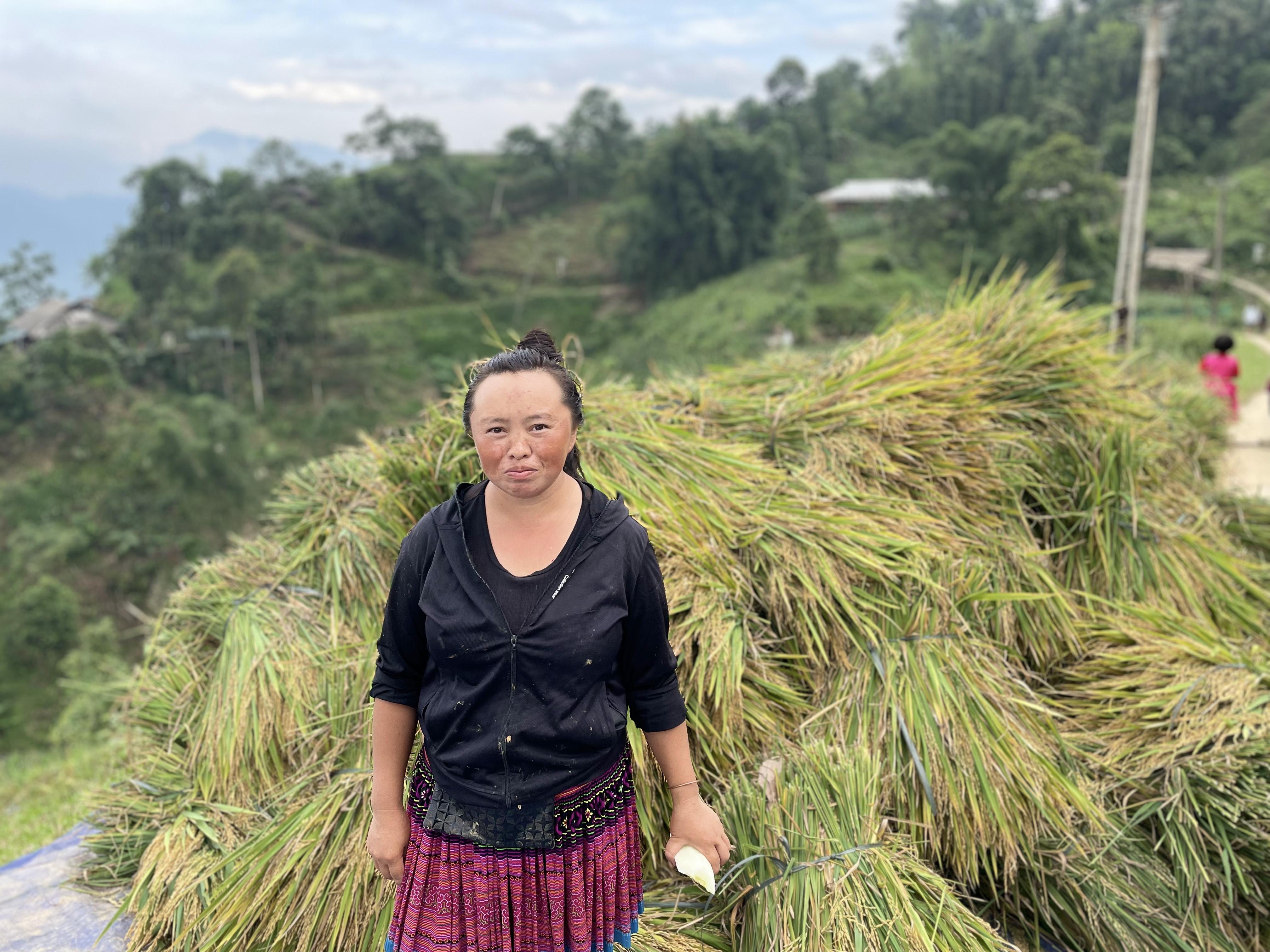
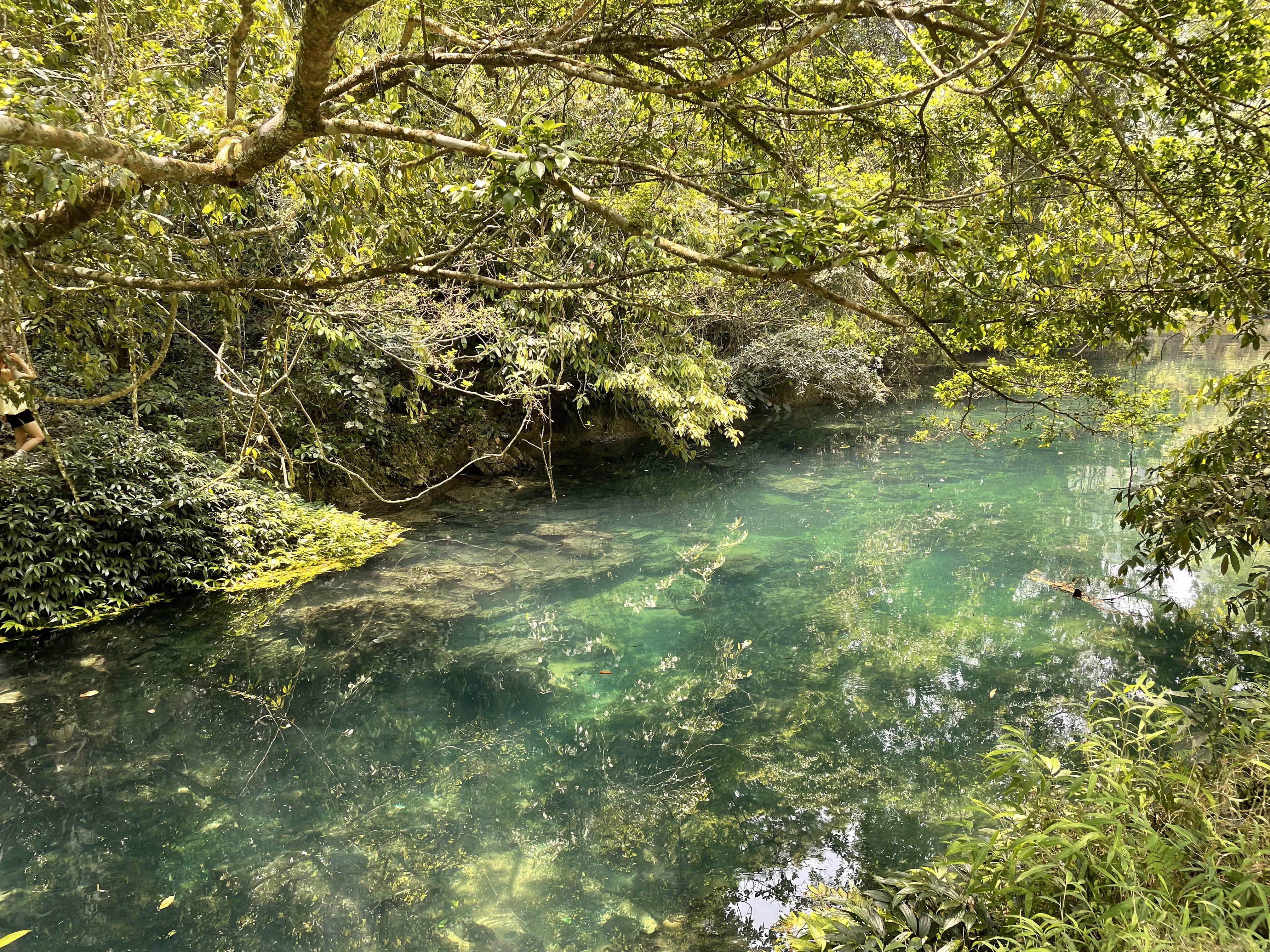
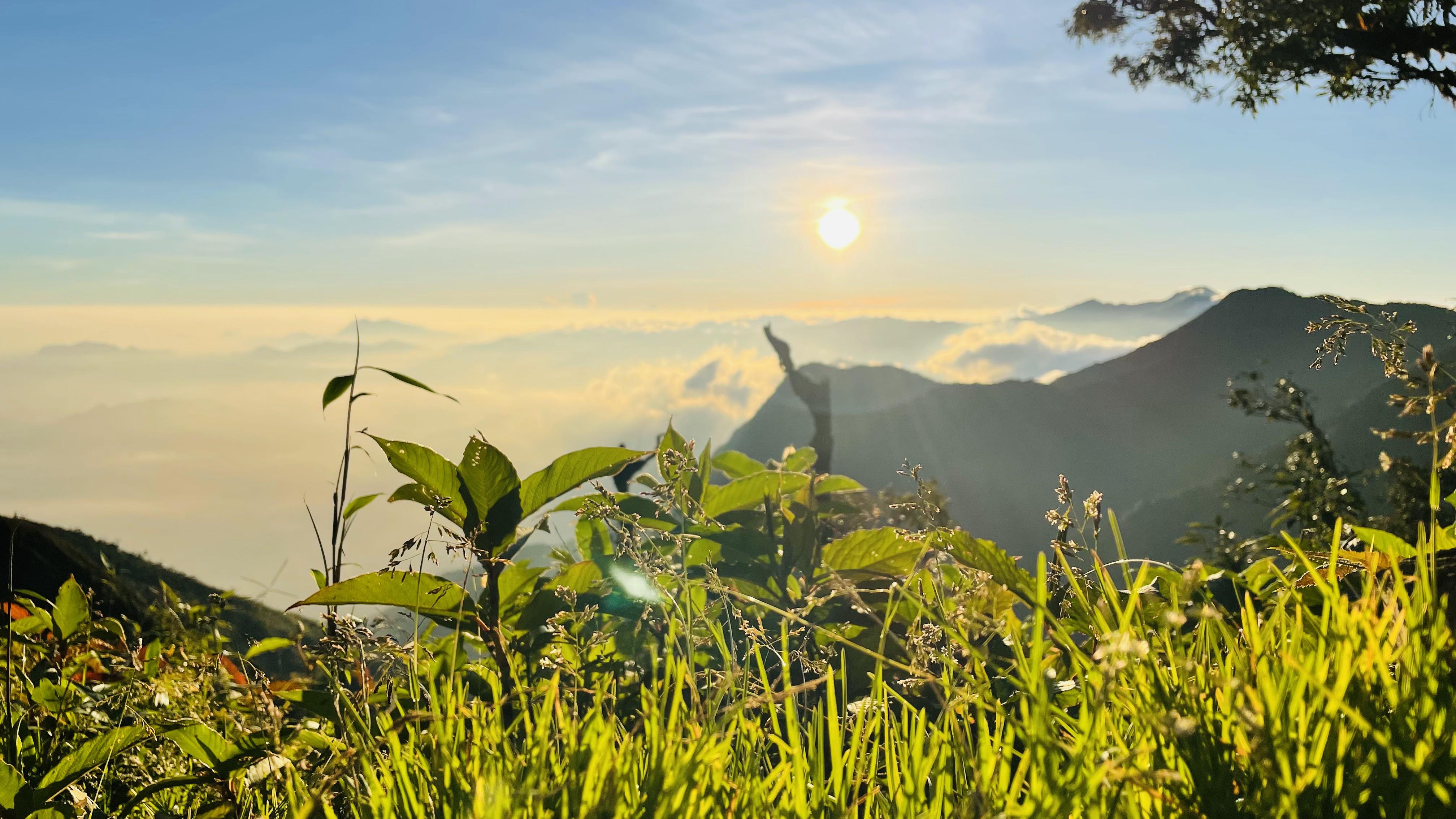
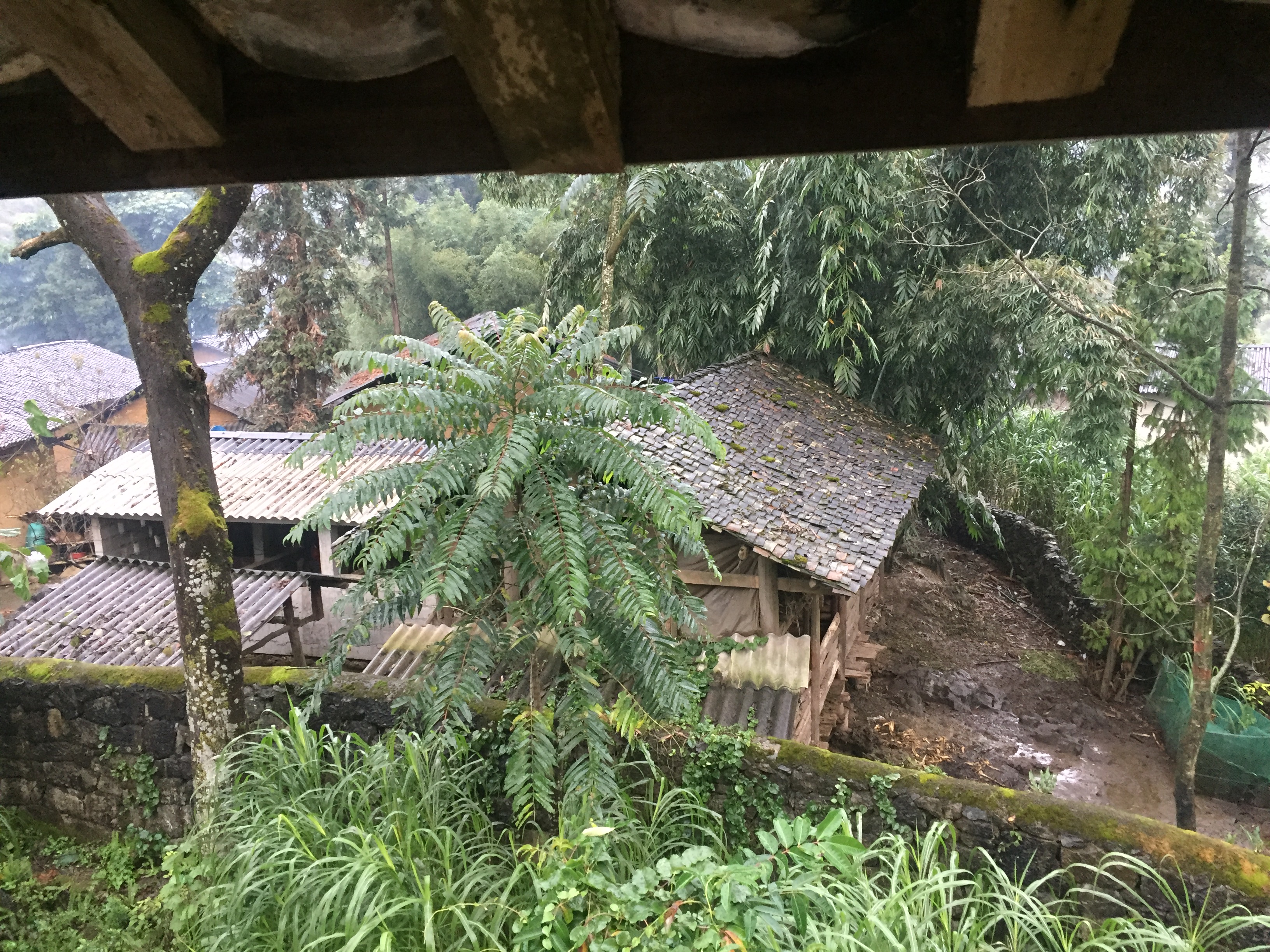
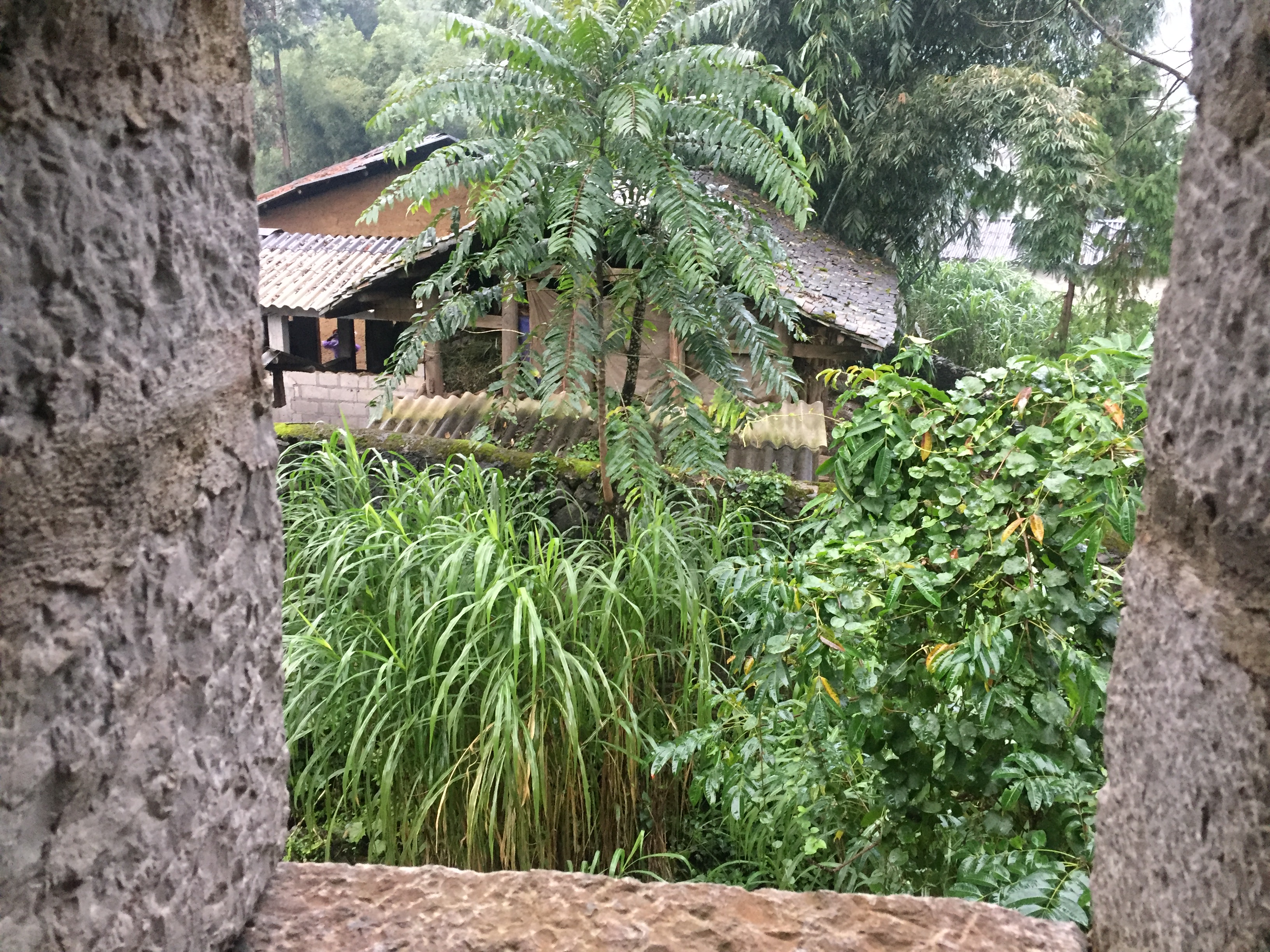
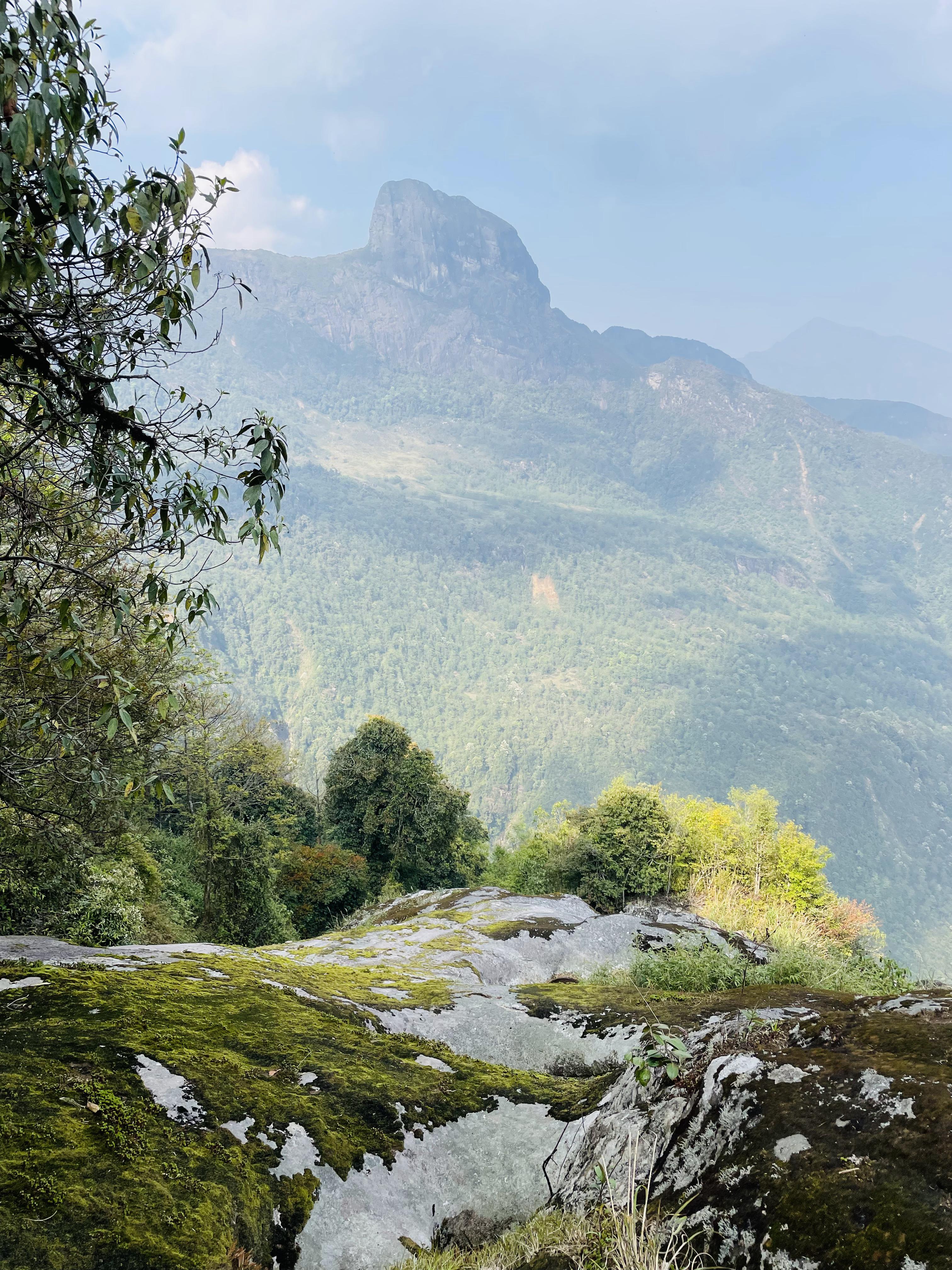
The road through northern Vietnam stretched across the hills and valleys of Tuyên Quang, Yên Bái, Sơn La, Lạng Sơn, Hòa Bình, and Lào Cai. Each province had its own rhythm, and every stop taught us something new about how science and tradition could coexist. In some villages, we crossed narrow wooden bridges to reach schools surrounded by rice fields. In others, we were welcomed with bowls of green tea made from wild leaves and smiles from elders who seemed both curious and amused by our notebooks and microscopes.



Learning from Local Communities
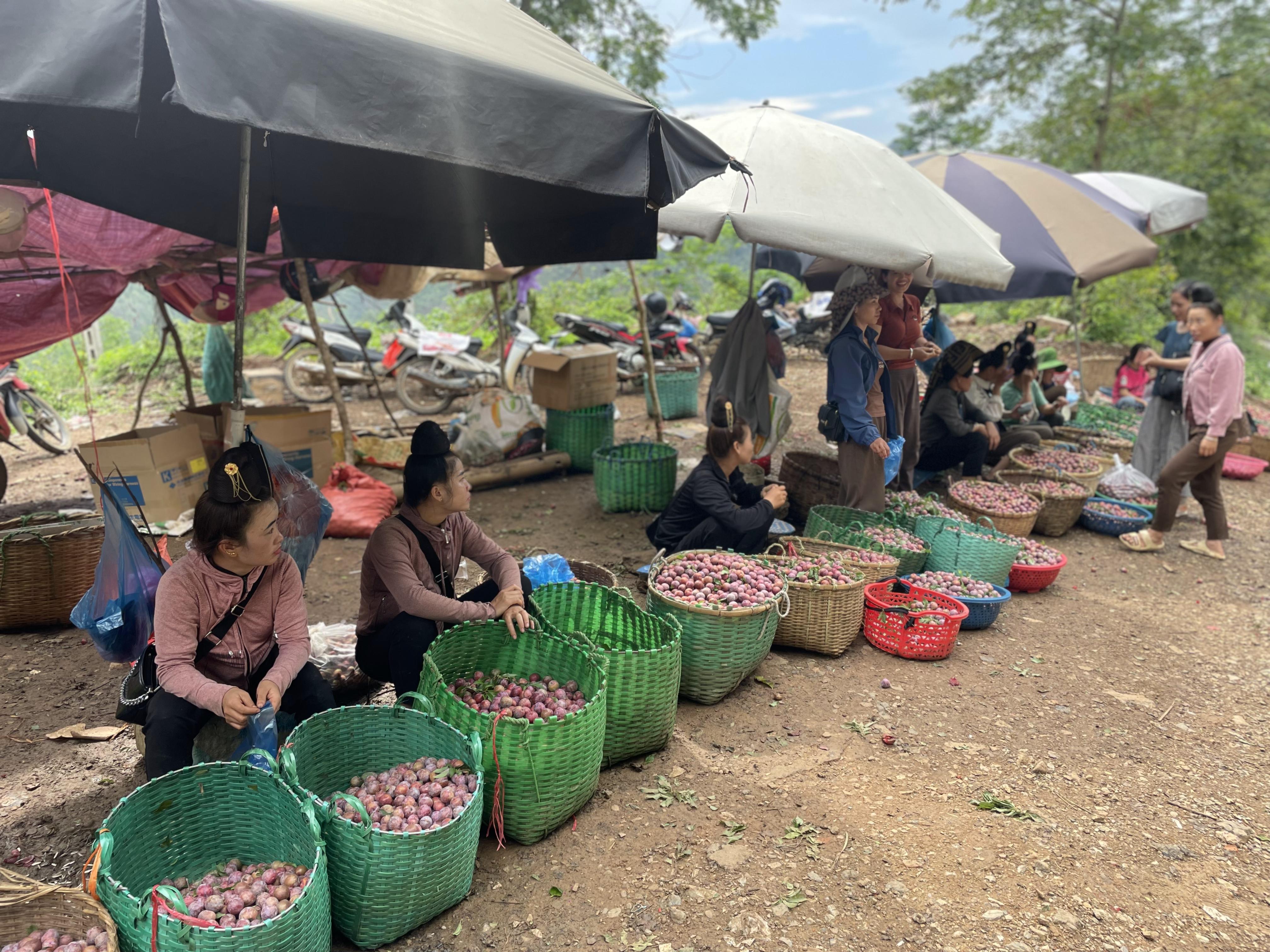
We met with Dao, Tày, Thái, Mường, Nùng, H'Mông, and Kinh families to learn how they used local plants for healthcare. The elders showed us how Andrographis paniculata was boiled to reduce fever, Lactuca indica was crushed to ease stomach pain, Morus alba leaves were dried for tea to improve sleep, and Artemisia vulgaris was used in herbal compresses to relieve fatigue. Their explanations were practical and exact, built from observation rather than formal theory. What we saw often echoed what textbooks described, but here, knowledge was passed through stories. One grandmother told us how her village relied on mugwort during years when medicine was scarce, while another showed us how to mix herbs over an open fire, stirring with careful hands.


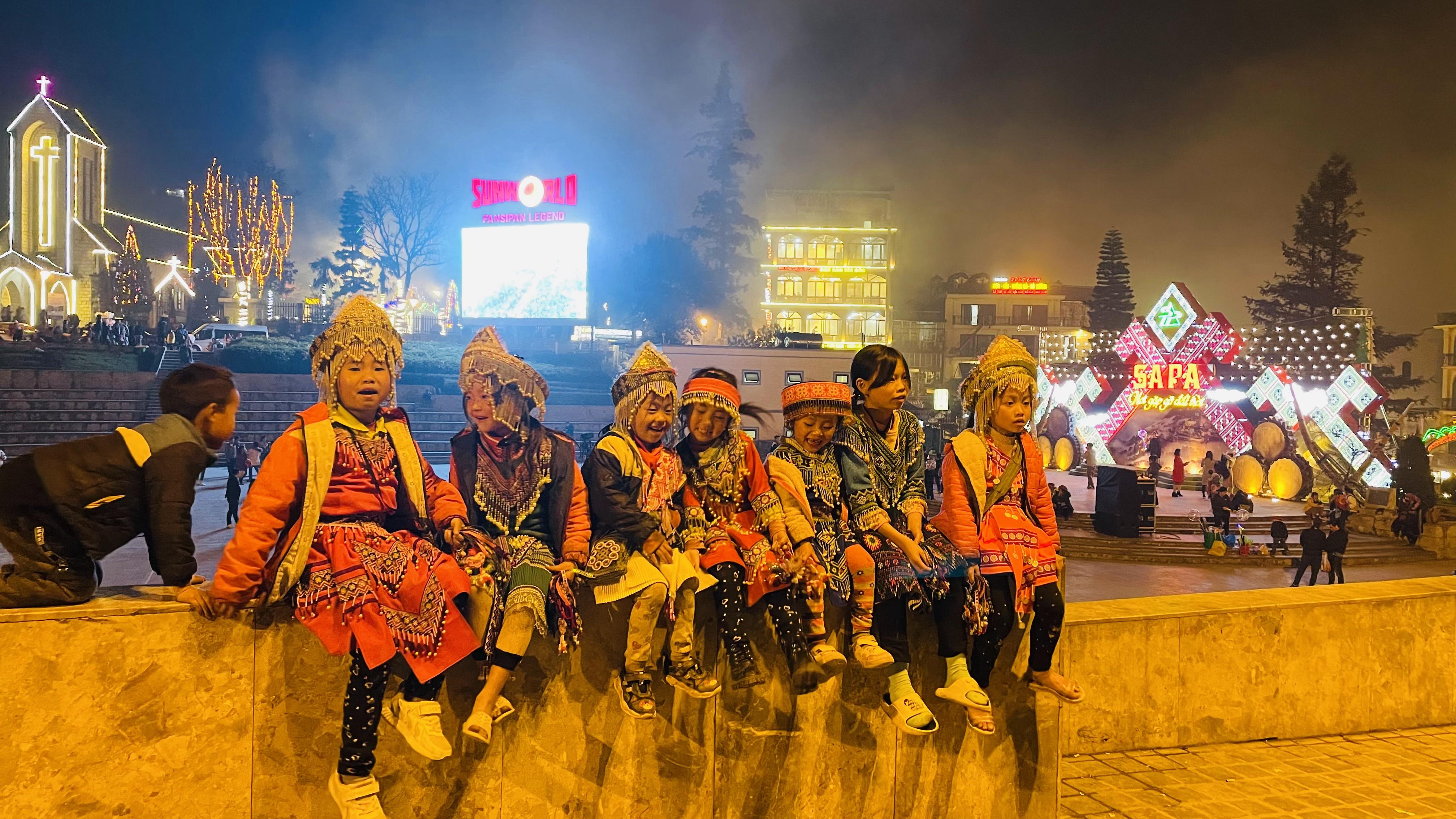

We documented the preparation methods, noted the scents, and pressed leaves between paper to bring back for later analysis. Some families invited us to stay for lunch, offering bamboo shoots and foraged greens. The hospitality was quiet and generous. When we asked about their beliefs, they spoke not of science but of balance, how every plant, person, and illness was part of the same living system.
Medical Outreach in Mường Lèo Commune
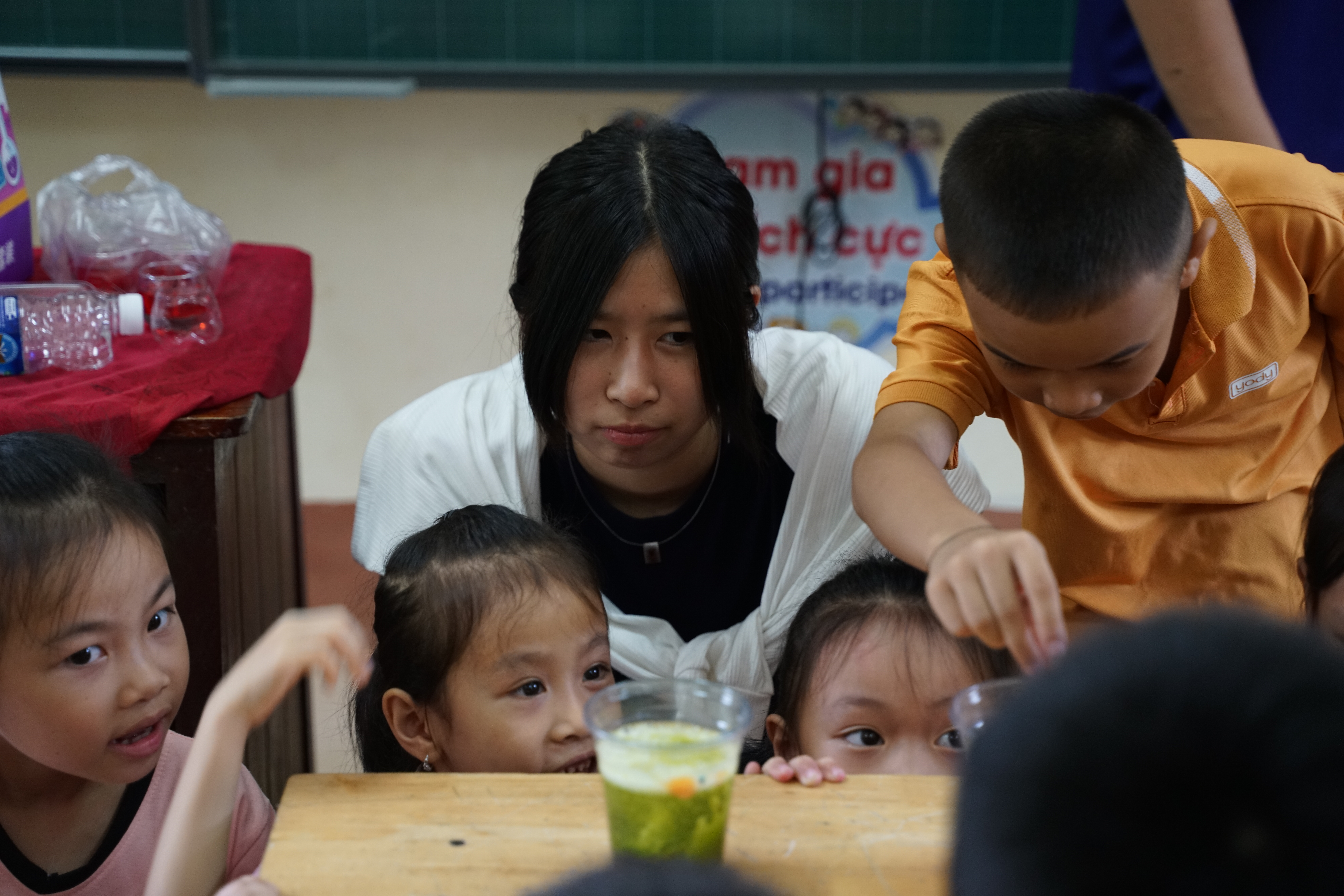
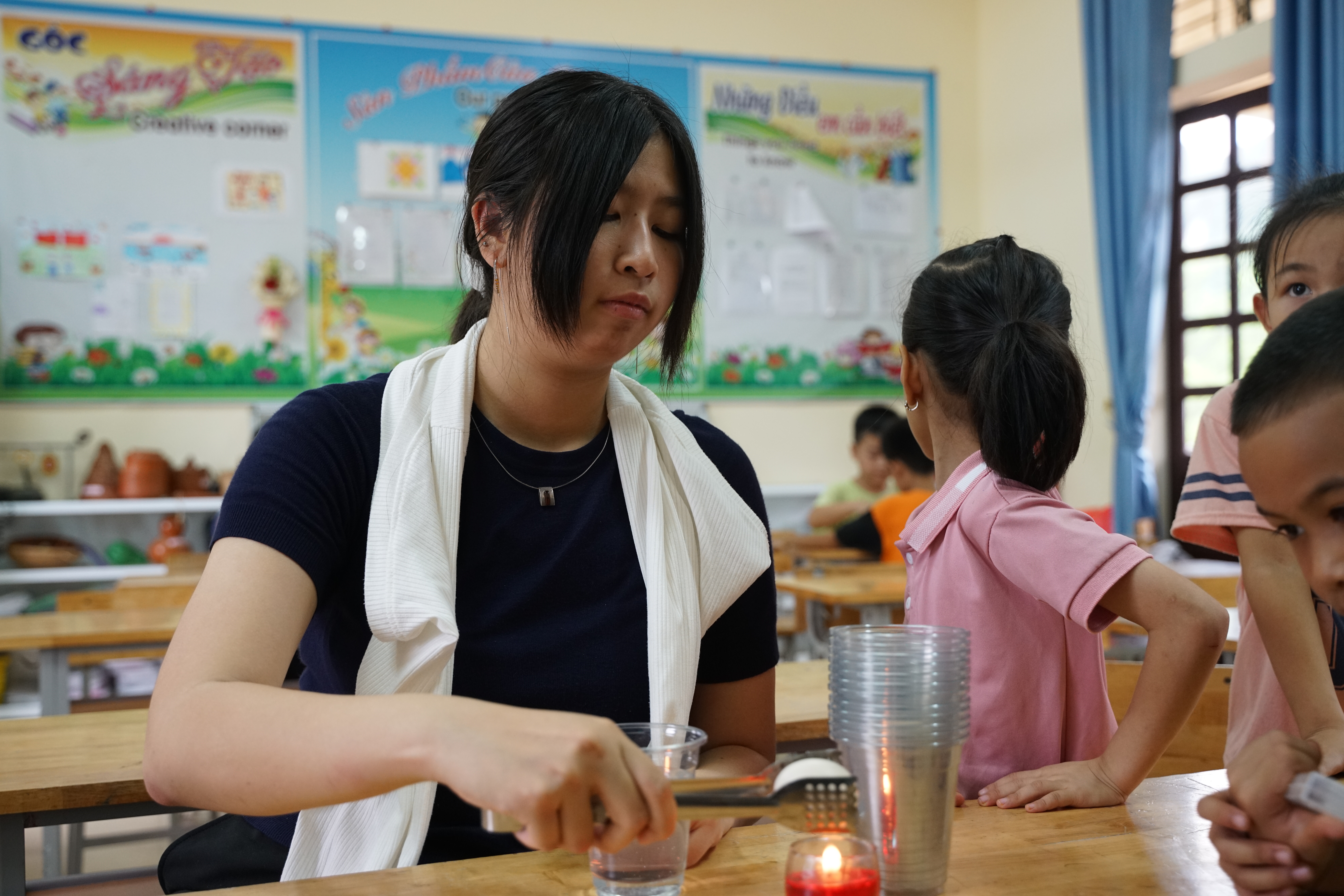
In Mường Lèo Commune, Sơn La, we organized a medical outreach with local doctors. The goal was simple: to make basic healthcare accessible and to connect scientific knowledge with community practice. Over two hundred children attended lessons about hygiene, first aid, and how to understand basic signs of illness. We donated thermometers, stethoscopes, and other simple tools. The students lined up in the courtyard, notebooks in hand, eager to try what they had learned. Some practiced taking pulse measurements, others laughed when the stethoscope felt cold against their skin. Their energy made the long day pass quickly.
During the health checkups, I helped sterilize instruments and guided families to the consultation tables. Most came with minor issues, but many had never spoken directly with a doctor before. The physicians explained each step carefully, showing parents how to clean wounds, take temperature readings, and recognize early symptoms of infection. I watched as a mother held her child's hand tightly, listening intently to every word. The room felt calm and focused, a rare moment where medicine and community met in full trust.




Community Mural Project
After the sessions, we returned to the schoolyard to paint a wall near the entrance. The mural showed the mountains, the plants we studied, and children walking to class. By late afternoon, many of the students had joined in. They added small drawings of butterflies, clouds, and streams, laughing each time the wind blew dust into the fresh paint. When the mural dried, the wall stood bright against the pale building, a reminder that care and learning could leave visible traces.
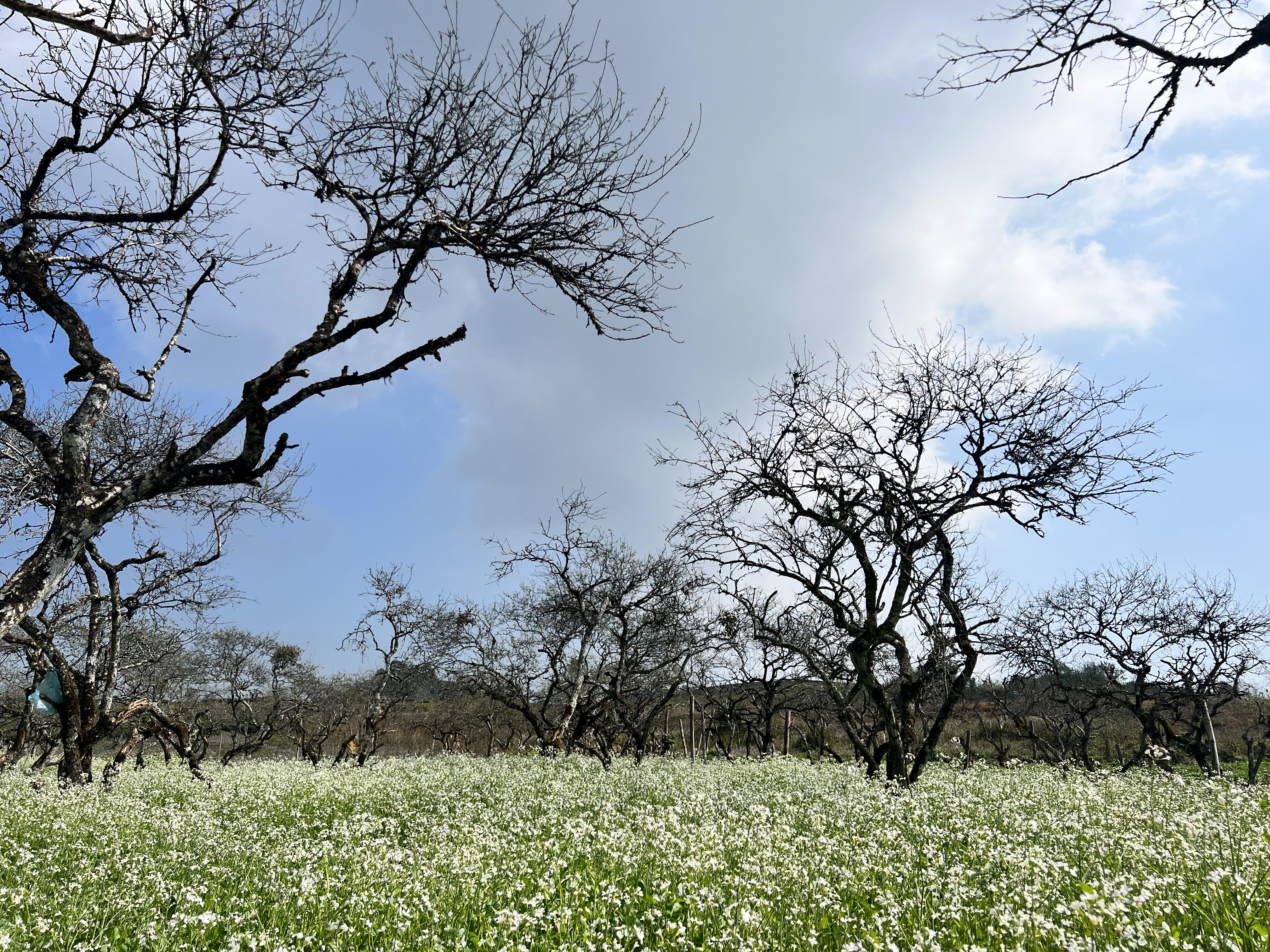

On our final evening, we sat around a fire with local teachers and doctors, sharing food and stories about the trip. They spoke about the challenges of bringing consistent healthcare to remote areas and the importance of passing knowledge to the next generation. Listening to them, I understood that progress here was not measured by speed or technology, but by the patience to teach, listen, and adapt.
Traveling through these provinces showed how science grows not only in laboratories but also in the quiet knowledge communities already hold. It became clear that our work wasn't just about collecting data or offering help. Each conversation, experiment, and check-up was part of an ongoing exchange between what we study in classrooms and what people experience every day.