Leadership
Leading initiatives that combine science, creativity, and compassion to create meaningful impact in my community.
Catalyst
Catalyst began as a simple idea: a student-led club organizing hands-on experiences for those who saw science not as a subject, but as a way to touch the invisible. What started with a few borrowed beakers soon became a space where curiosity mixed with color, scent, and laughter.
Every two weeks, Catalyst turned into a miniature laboratory alive with the hiss of burners and the aroma of citrus oils. I led workshops on natural product formulation, creating bioactive soaps, herbal bath salts, and fragrant balms while teaching twenty students how chemistry could live inside everyday objects. The room often looked chaotic. Bottles cluttered every surface, pipettes dripped onto notebooks, and lemongrass foam overflowed from beakers. Yet amid the mess, understanding bloomed. Each experiment felt like a small act of wonder, watching plant extracts transform under heat or seeing a cloudy mixture clear into a perfect suspension. More than formulas or yields, what mattered was the shared curiosity that filled the air. Science could be both serious and playful, rigorous and artistic.


Clinical Laboratory Tour
When we coordinated a clinical laboratory tour for forty students at Hung Vuong Hospital's Dermatology and Aesthetic Center, that curiosity met its mirror in real-world medicine. The halls gleamed under fluorescent light, machines pulsed quietly, and the sharp scent of disinfectant carried an odd kind of hope. We watched doctors analyze skin cells under microscopes, explaining how invisible details could decide a diagnosis. The students' questions came in waves, laughter bounced off glass walls, and a gentle awe settled over us. For many, it was the first time seeing science translated into care, where something as clinical as a slide under a lens could restore dignity and confidence to another human being.


Our final project stretched even further from the classroom: agricultural photonics. Together, fifteen members and I synthesized fluorescent phosphor powders for LED grow light applications. Under ultraviolet lamps, the powders glowed like trapped galaxies, scattering faint halos on our fingers. We tested which wavelengths could mimic sunlight, imagining how this technology might help farmers grow crops through storms or in shaded greenhouses. It was science at its most magical, light nurturing life.
Across all these moments, Catalyst became more than a club. It was a current carrying discovery outward. What fascinated me was not only precision or innovation but connection, the way explaining a reaction clearly could spark someone else's curiosity. Science, I learned, thrives when it is shared, when it invites rather than intimidates. Each project carried the same quiet promise: that curiosity, when nurtured with creativity and care, can illuminate more than we ever expect.
Ladyly
Ladyly began as a small circle of girls who wanted to talk about womanhood, not as an abstract idea but as something we lived every day. Over time, it grew into a student-led club that used art, storytelling, and community outreach to celebrate and empower women across generations.
Thien Duc Nursing Home Interviews

Our first project focused on mental health support for underserved elderly women. I designed and led three therapeutic workshops that blended Eastern mindfulness with gentle art-based healing. We painted with soft movements, wrote affirmations, and created handmade crafts together. Some of the women hesitated at first, hands trembling slightly as they picked up their brushes. But soon, the room filled with color and laughter. One woman painted her late husband's garden, another her childhood home. Watching them, I felt something shift inside me. Healing did not always come from medicine or therapy; sometimes, it began with the courage to create again.
At Thien Duc Nursing Home, I conducted twenty interviews with elderly women, each one a living archive of memory. They spoke about the war, about love and loss, about the quiet acts of survival that history often forgets. I listened as one woman described carrying letters through bombed villages, and another shared how she taught French in the University of Languages & International Studies 30 years ago. Their stories came alive in their trembling voices and faraway gazes. I wrote everything down, aware that I was holding fragments of a past that might soon fade.

Ladyly's journey later reached the wider community through an art therapy event that gathered thirty seniors and more than a hundred participants of all ages. The hall came alive with music, laughter, and the rhythmic tapping of paintbrushes. Grandmothers painted beside students, and strangers held hands while sharing stories. For a few hours, time seemed to soften. The room felt like a steady, warm, collective heartbeat.
SOS Children's Village Program
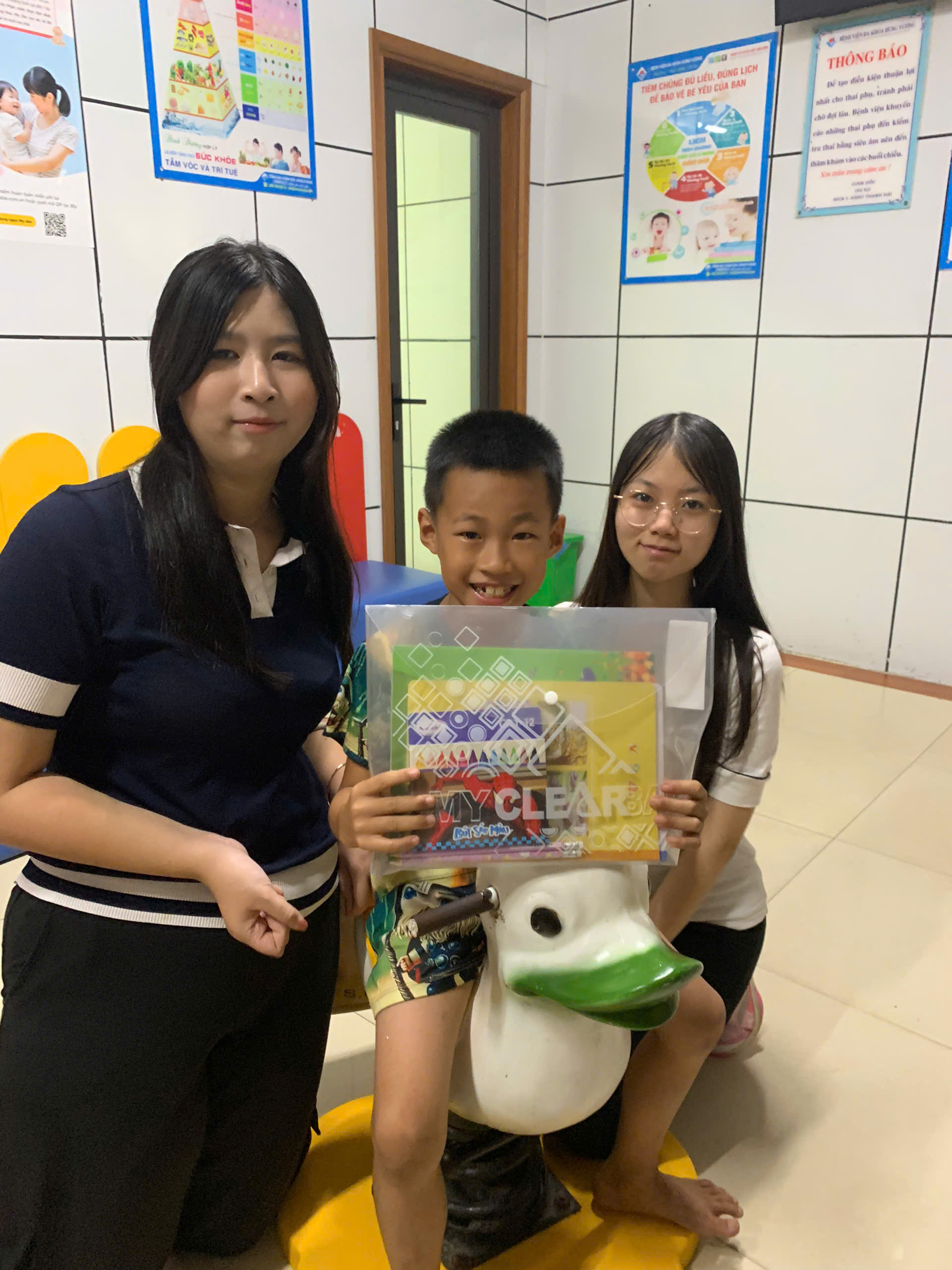
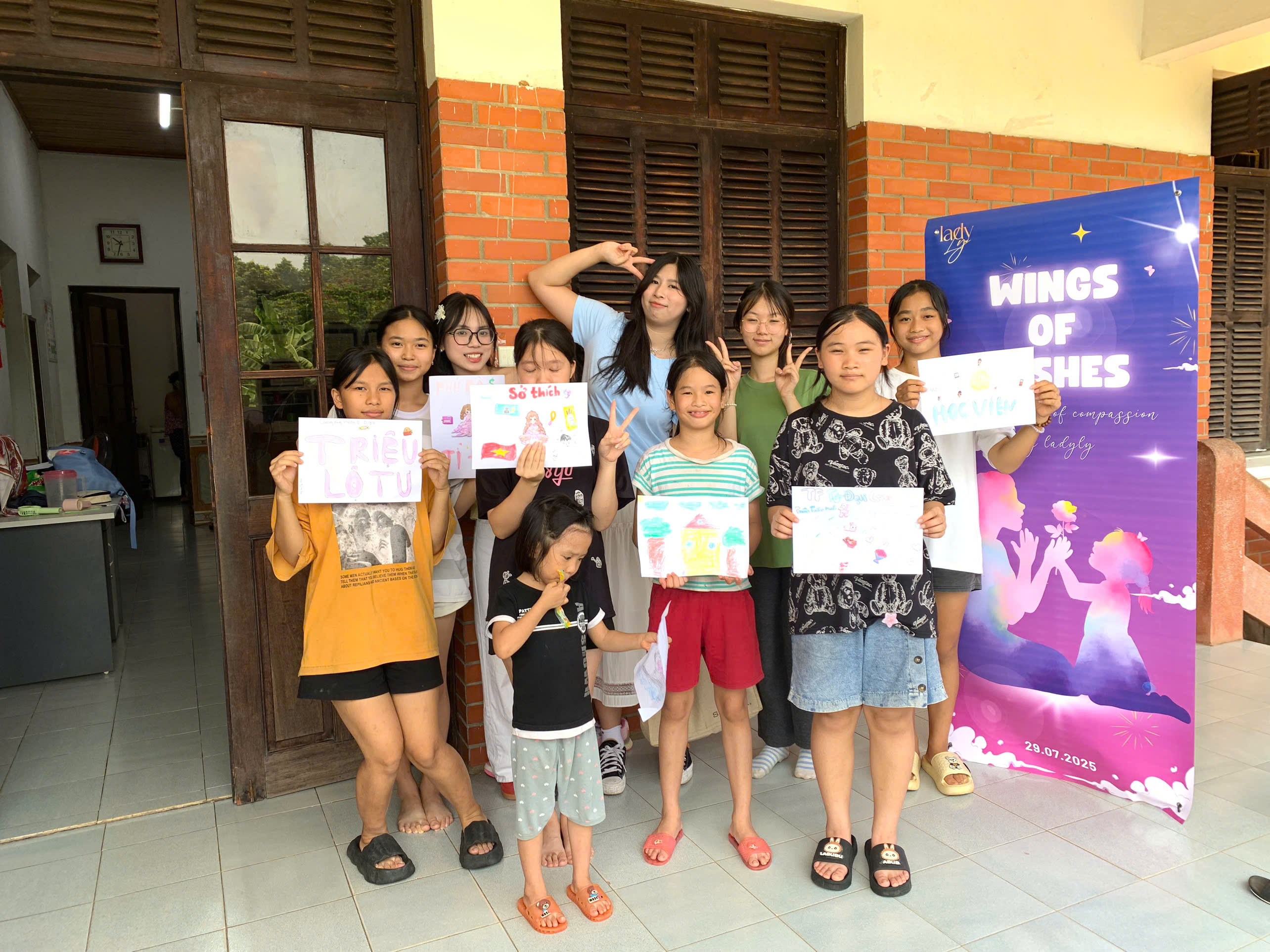
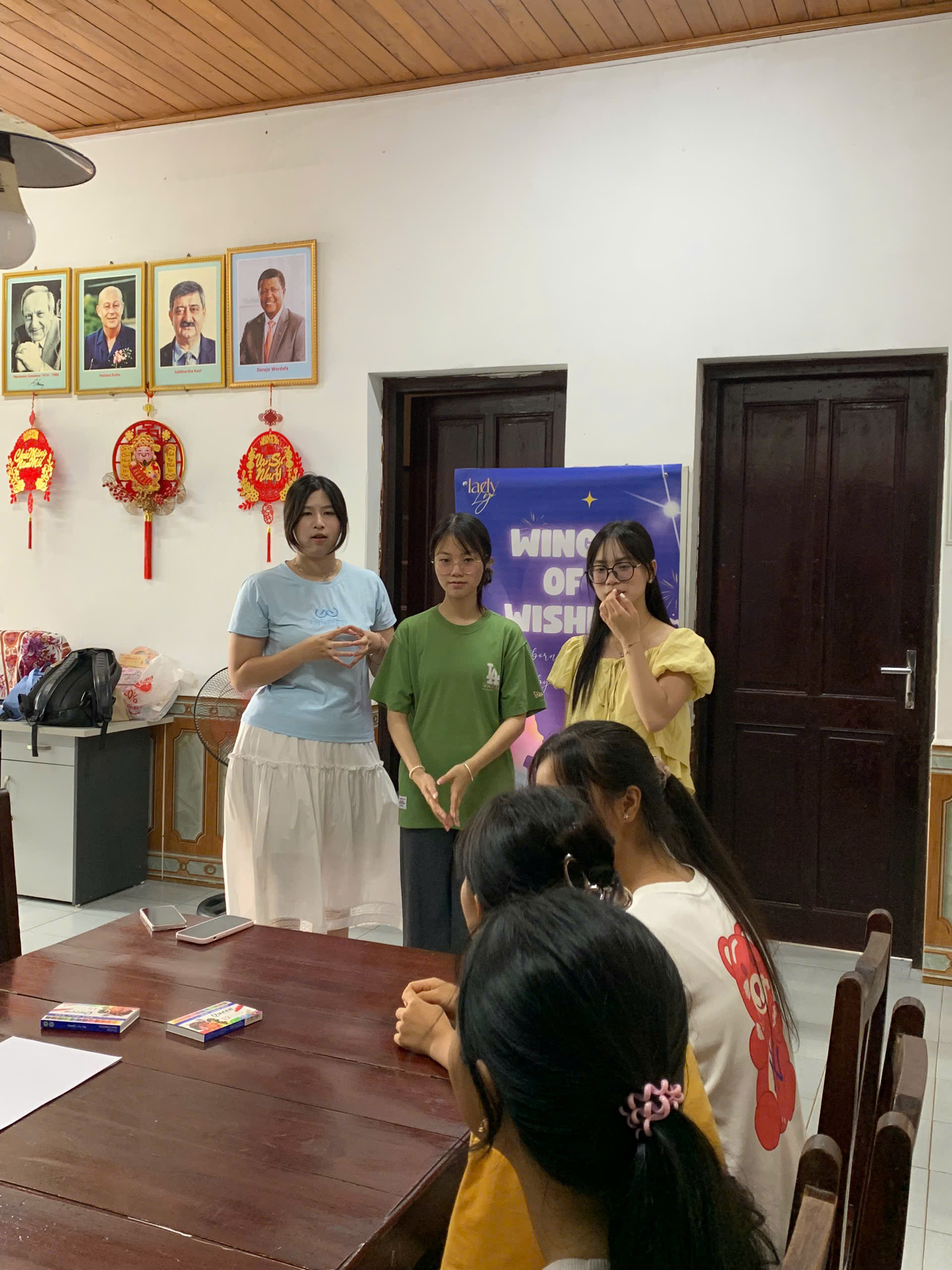
Our final project turned toward younger girls. I created an eight-week program at the SOS Children's Village that combined creative arts with self-defense training. Each week, fifteen orphaned girls painted their emotions and learned how to stand their ground, both physically and emotionally. I still remember the sparkle in their eyes when they broke their first wooden board or showed off their artwork. One girl whispered that she felt "strong and pretty at the same time." I carried those words home that night and thought about what they meant: how power and gentleness could coexist within the same heart.
Through Ladyly, feminism has become something deeply personal to me. It is not a slogan or an argument but a quiet belief in the worth of every woman's story. It is the strength to create, to protect, to heal, and to listen. And in every brushstroke, every shared story, and every smile, I have seen what empowerment truly looks like.
Mechacraft
Mecha Craft began as a small idea to turn recycled materials into something meaningful. That summer, I carried boxes of plastic bottles, cardboard, and glue into the Kid Time Center, where thirty children with autism were waiting.

Kid Time Center - Recycled Art Project
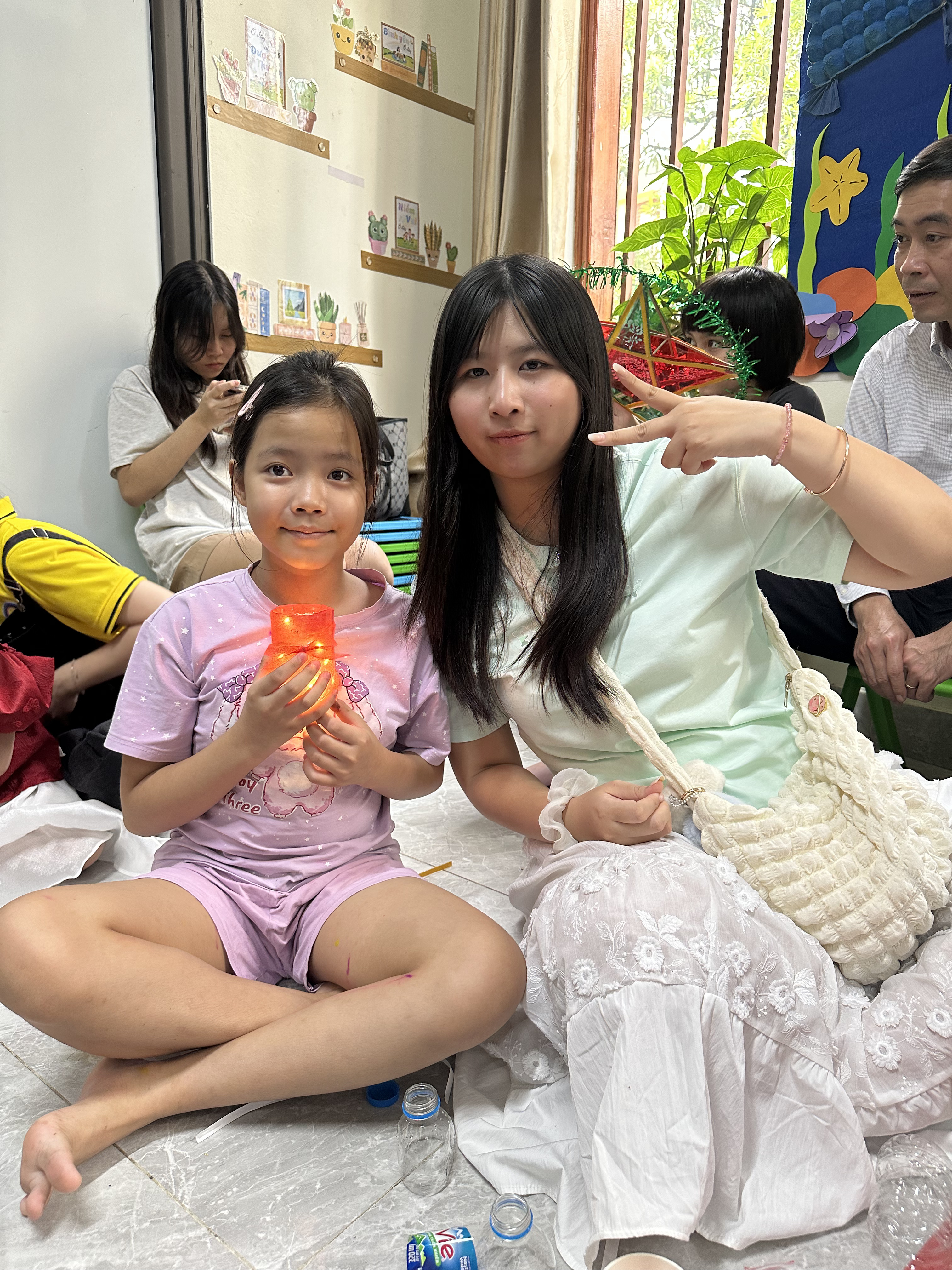
The room felt calm at first, filled with soft music and the sound of paper being cut. When I showed them a night lamp made from an old bottle, their eyes followed the light. Some looked curious, others hesitant. We started working together. A few bottles rolled off the table, glue got on our hands, and colors mixed in unexpected ways. Slowly, the room became alive with laughter. One child painted a crooked moon across a piece of cardboard. Another glued bottle caps into a circle of tiny planets. I watched as creativity took its own shape, free and imperfect but deeply sincere. When the lamps were finally done, we turned off the lights. The room glowed softly. The children looked at their creations as if they were tiny worlds of their own. The light flickered, gentle but alive.
Mid-Autumn Celebration at Thánh Tâm Shelter
The following year, Mecha Craft grew into something bigger. We organized a Mid-Autumn celebration at Thánh Tâm Shelter in Mỹ Đức. That afternoon, we prepared trays of fruit, mooncakes, and candy for the mâm cỗ. The courtyard filled with color as we hung lanterns and set up a small stage. By night, the shelter turned into a festival. The children wore bright costumes, performing songs and dances they had practiced for days. Their voices mixed with the beat of drums and laughter that echoed against the walls. Lanterns swung in the evening breeze. The sweet scent of bánh trung thu filled the air, and the glow from the star-shaped lanterns made everything feel warm and alive.

As I watched the children share their gifts, I realized that Mecha Craft had become more than an art project. It was a space where care and creativity met, where a simple act of making something together could create connection. What began with leftover materials had turned into a celebration of light, joy, and community.
As the crowd slowly left, I looked at the scattered lanterns still shining on the ground. They were uneven, messy, but beautiful in their own way, like the day itself, full of effort, color, and quiet joy.
Scientia Clava
As co-founder and co-president of Scientia Clava, the first STEM club at Nguyen Sieu School, I spent more time in classrooms after hours than I ever expected. Planning experiments, printing posters, and packing boxes of materials became part of my routine. I learned early that enthusiasm alone was not enough; details mattered. A missing reagent or a forgotten stopwatch could throw off the entire plan.

ANU STEM Box Competition
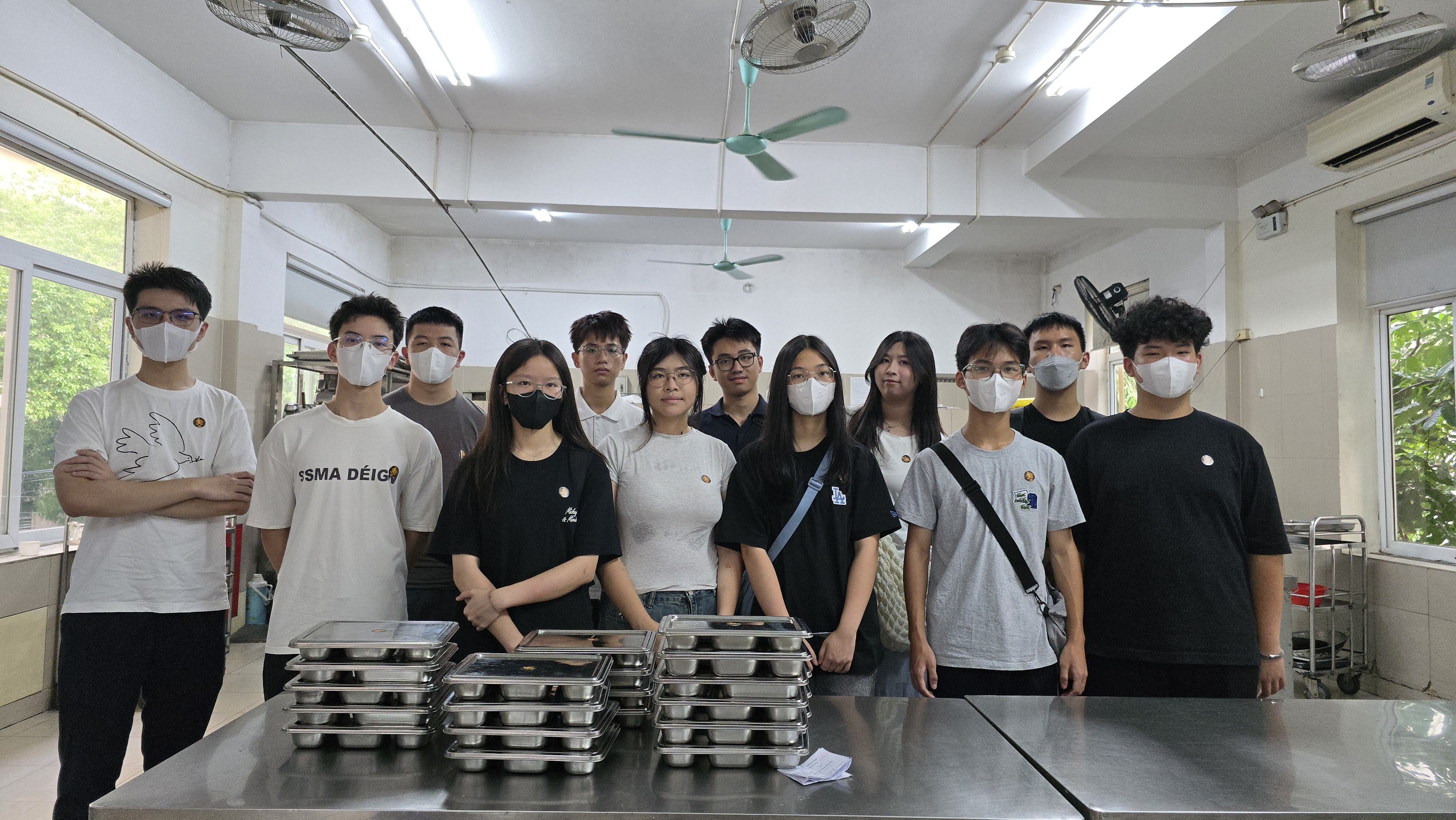
For the ANU STEM Box competition, thirty of us met almost every day for weeks. My role was to coordinate schedules, check experiment lists, and keep morale up when results didn't work. During one trial, our color-change reaction failed three times before we realized the pH strips had expired. Fixing small mistakes like that taught me how much science depends on patience and clear communication. When our team was later named a Top 3 Global Finalist, the announcement felt more like a confirmation that all the nights spent reworking plans had meant something.
School Workshops
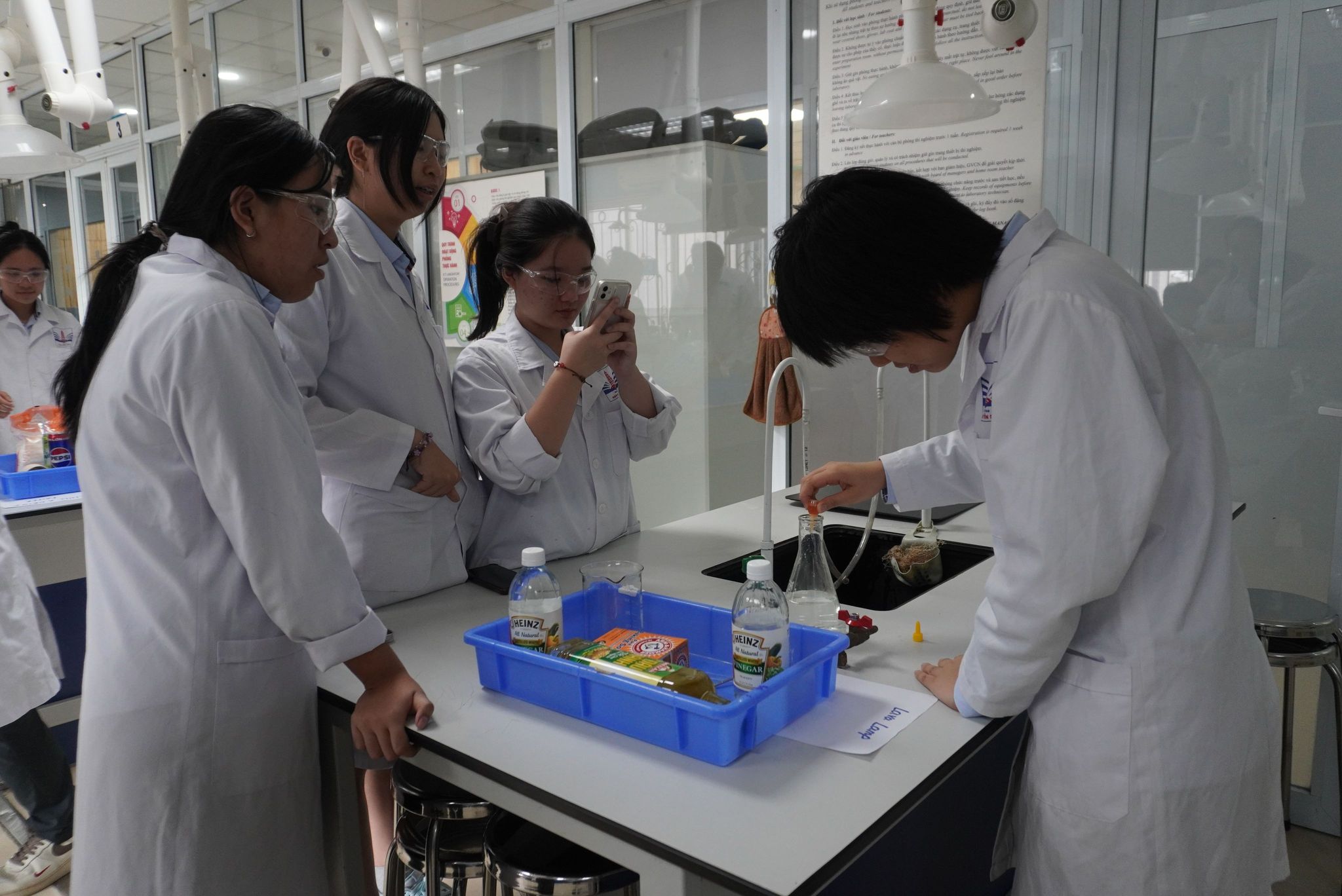
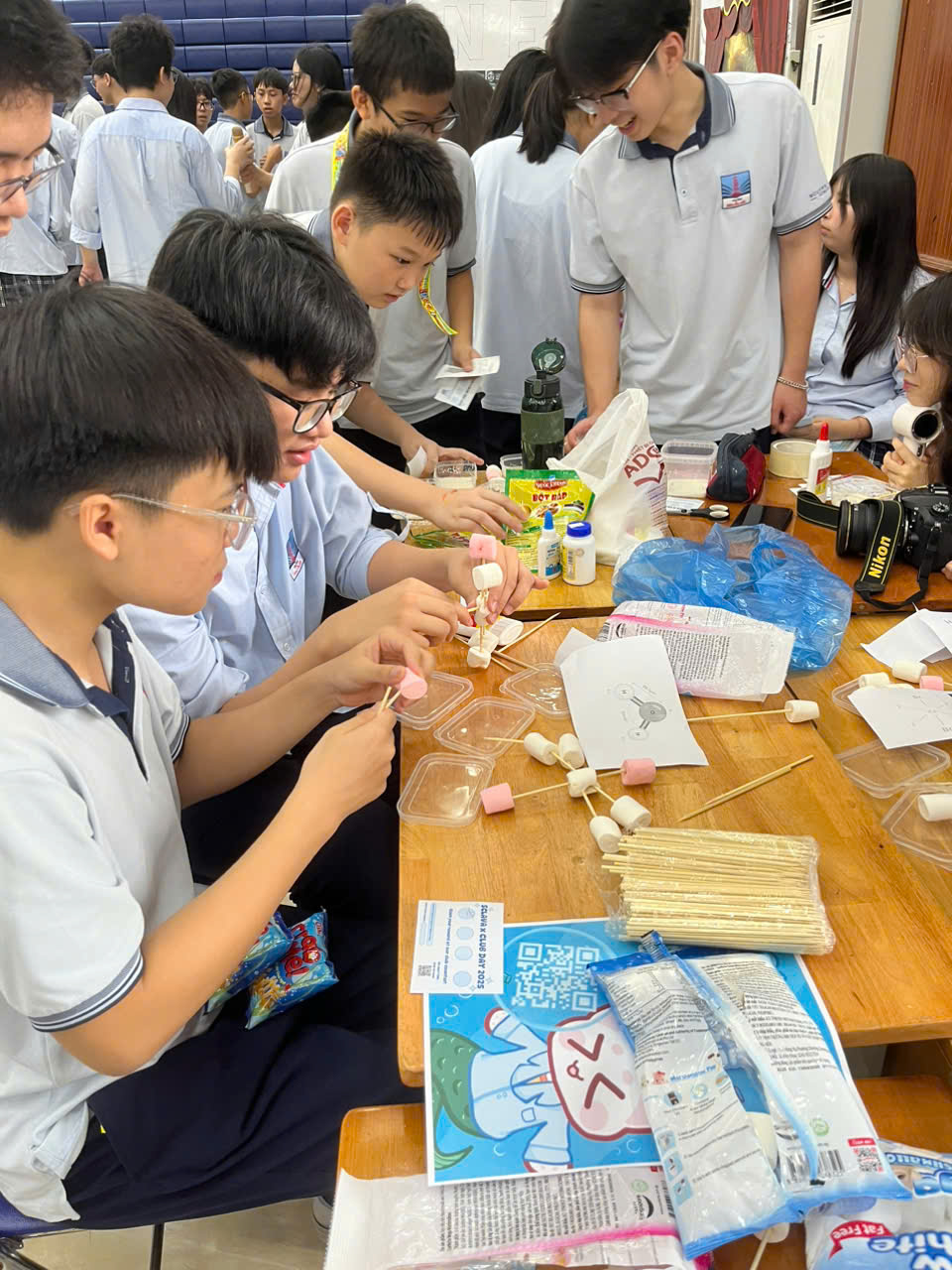
Over time, Scientia Clava became less about competitions and more about bringing science closer to others. We ran school workshops where students made dried flower globes as gifts for teachers and turned corridors into makeshift labs with trays of chemicals and colorful posters. I handled logistics, from buying supplies to managing sign-ups and making sure no experiment spilled over the tables. The most rewarding part was seeing how quickly students who once thought science was "too hard" began asking questions once they saw reactions happen in front of them.

K Hospital Volunteer Work
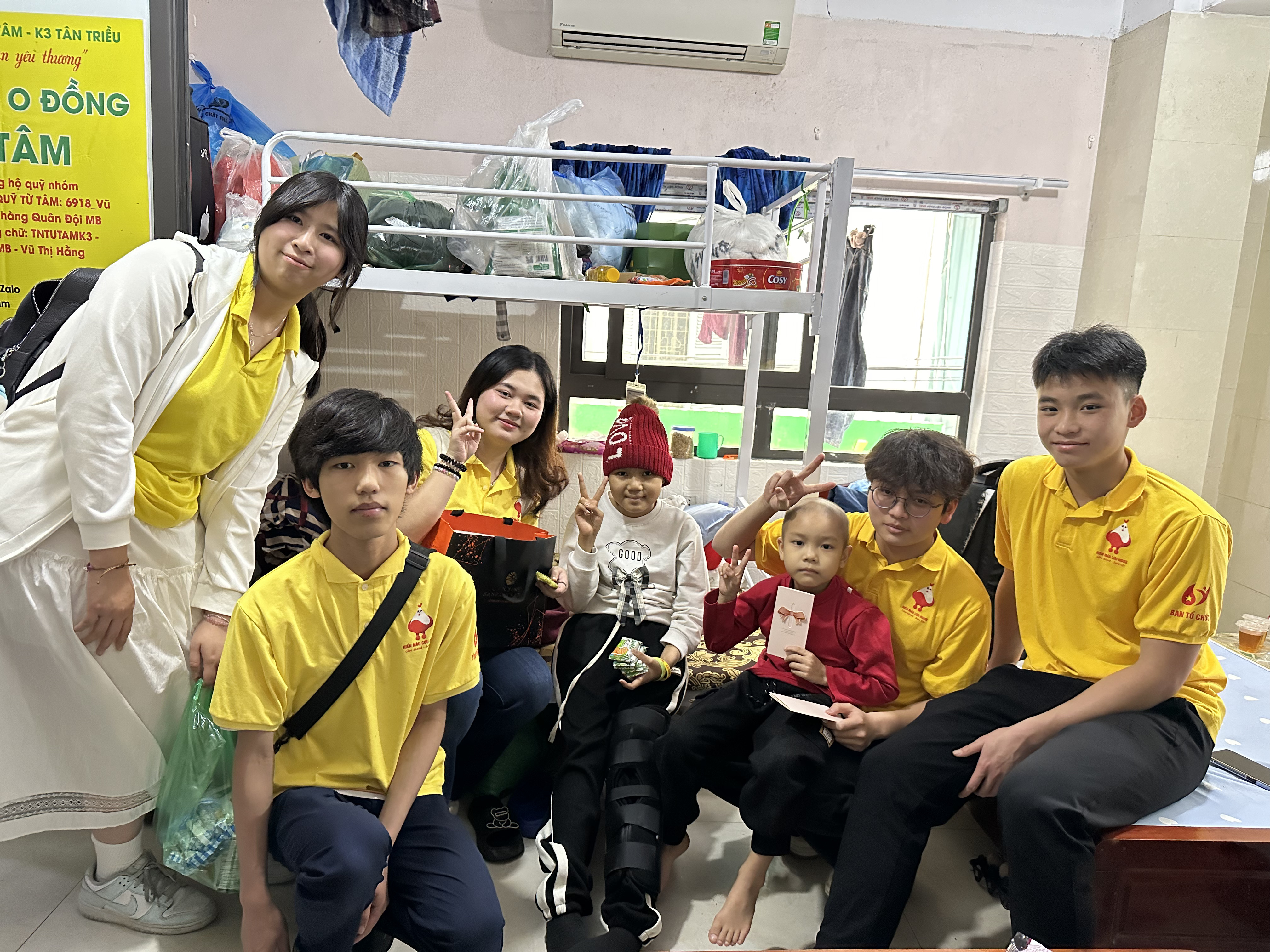
Outside school, I wanted to understand science where it matters most, in healthcare. At K Hospital's pediatric oncology ward, I joined a volunteer group bringing small care packages and handwritten cards. The morning was quiet except for the sound of cartoons playing in the background. I remember kneeling beside a boy who was drawing on the back of his card, explaining that he liked the color red because it looked strong. He hadn't been to school for months. His mother sat nearby, smiling but clearly tired. Watching her adjust his blanket and stroke his hair while talking to us made me realize how much of healing depends not only on medicine but on presence. The visit was brief, yet it stayed with me.
Looking back, the moments from those years seem to form a single line of continuity. The same hands that packed pipettes and pH strips also tied ribbons on care packages for children at K Hospital. The same attention that went into labeling beakers carried over when arranging chairs for younger students to watch their first experiment. Whether in a classroom, a hospital corridor, or a research lab, I began to notice how small acts of preparation and care created the space for others to learn, rest, or heal.